
New iPhone 5 release date
Laslo PanaflexMar 18, 09:17 AMI read your petition, and I didn't sign it. I really don't think that a mac that hooks up to a TV is a good idea, look at webtv, it failed miserably. I agree with you that they need to get it down to 500 - 600 dollar price range, and maybe they will soon since the iPod is bringing in the dough. But really, apple is not going to overtake M$ and x86 computers, not anytime soon at least. Plus apple has always made there money on hardware, they pretty much give there software away, where as M$ makes money on software.

Release Date Today in uk
JimEJrApr 21, 02:06 PMLooks like a new ...gate is brewing.
Let's call it TrackerGate.
Let's not please. I'm so frickin sick of everything being ____gate. Man, I wish Nixon never made that mistake just because we have had to hear that grossly overused suffix for decades since.

iPhone 5
iJawn108Nov 29, 03:25 PMi dont know i might buy an itv if i buy a tv lol
i dont have one right now. my macbook is my tv/computer/gf lol

Apple Ipad 2 Release Date Uk
cwerdnaDec 6, 12:39 PMIt was also to get MS to continue making Office for the Mac. The deal also included that Apple put IE on every Mac they sold (I could be wrong on that, correct me if I am.).
You can rewatch the announcement of that at http://www.youtube.com/watch?v=WxOp5mBY9IY.

Apple+iphone+5+release+
apb3Aug 17, 11:49 AMI don't really see the demand behind adding wireless functionality into the iPod. I think wireless is the buzz word right now and investment managers and industry analysts don't even know what it means.
Bluetooth headphones, if they sound good, and bluetooth syncing is the only function people might use out of this. However, most people charge as they sync, so they would need to connect the iPod to the computer anyway. Bluetooth headphones would need to be charged too, and that is a nuisance.
The only thing semi-useful out of 802.11 is sending audio to airport express. But I use my laptop for that already, so does this really add any functionality? No one I know will be typing in a 256-bit WPA key into their iPod so they can play their iPod music over their friend's airport express, either. At work, I can view and sample my coworker's library on my computer - even when they leave for lunch. And if I like it, I can buy it on iTunes right there. Again, where is the usefulness of a wireless iPod?
I can see how XM radio might be useful to many, even though it doesn't appeal to me. However, I would think Apple would want an exclusive deal if they were to offer this feature.
A man (almost - I think XM blows as compared to Sirius, seriously) after my own heart.... ;)
and so much more succinct.:D

white Apple iPhone 4 case,
FreeStateMar 23, 03:00 PMThe App has been pulled because it is not in compliance with developer guidelines.
http://www.cultofmac.com/apple-pulls-gay-cure-app-over-dev-guidelines/87815
Apple spokesman Tom Neumayr said Wednesday:
�We removed the Exodus International app from the App Store because it violates our developer guidelines by being offensive to large groups of people.�

iphone 5g release date uk,
smithrhApr 9, 09:12 PMSure, I learned on stick-shift and drove several years with a variety of cars and trucks, including 3-on-the-tree 1978 Suburban (manual steering, manual brakes, what a bear that was!)... never drove a double-clutch though.
Manuals - while they absolutely can be a fun riot - are losing their advantages over automatics, including fast-locking TCs and DCTs and such.
Car manufacturers have to certify each car type - if they offer an automatic and a manual, that's two different cars to the US government's eyes, and both have to be tested.
Plus, of all the major auto racing circuits, only NASCAR still uses stick shifts. That ought to tell people something...

New+apple+iphone+5+release
KreamyOct 23, 07:15 PMerrr...how about the fact that I've been enjoying my MBP for months now while you've been waiting and replying on this board for those same months on whatever ancient machine you currently own? I dunno about you, but I've enjoyed these months of screaming performance while on the road. But hopefully for you, the months of checking this website on a daily basis wishing you had a MBP pays off this week.
If there wasn't some truth to his comment, you wouldn't even gander at this thread.
Resistance is futile.

the iPhone 5 release date?
tarproductionsApr 12, 08:19 PMAlways looking forward to advancements in software.

iphone 5g release date uk.
FireStarOct 3, 09:20 AMWow. Everyone at macrumors must love switcheasy. Are they that good?
Ohhhhhh, yes. Nice cases, amazing accesories, and all for around the same price as Griffin or Belkin. Lots of variety too.
As a SwitchEasy tradition, we have included everything you need to protect and accessorize your new iPod Touch 2G. With our RebelTouch package, you'll get the following

iphone 5 release date uk
Dr.GargoyleAug 29, 10:59 AMMaybe FrontRow 2 (I believe/assume comes with Leopard) is where this will play in. Maybe instead of making a single device and labeling it a media center Apple will allow for any Mac (any new Mac...) to be used as a media center via FrontRow 2.
I really hope you are correct about FR2 in Leopard. However...
I do think you need a TV-card in the computer too. Given Apples philosophy about simplicity, I doubt they will have a stand alone TV-reciever. Furthermore, I just can't see Apple selling MP with a TV-card. So my guess is that they will make a dedicated computer. Still I am most likely wrong... as always...:p

The Apple iPhone#39;s launch date
SciFrogMar 5, 12:47 PMDitto!
I see some new folks putting up some points, designed, DistortedLoop, and MAcProCPO is back at it again, thanks for the effort to those and other newbies!
I had a problem with the MacPro after I upgraded to a 3 SSD raid for booting ... I forgot to set the machine to NOT go to sleep, DUH! I could not figure out why it was timing out of folding every so often with the remote Linux boards that I'm ssh'd into from the Mac. NOW that I have that figured out my points will pick up again. It was still impressive just running the 6 GPU's and 2 win clients at about 50k per day!
And congrats for 10mio points!
Still sIting for Gulftown to be released, and to see the price... My current 8 core 3ghz 2,1 mac pro isbbeyond my needs already... And still no GPU on OS X...
On the good news front, SMP2 is rock solid, haven't lost a unit yet even after reboots.

iPhone5 Release Date
Rodimus PrimeMar 19, 11:56 AMMust we get involved in this? Can't France do something for once by themselves, or any other european nations for that matter? When was the last time they even fired a weapon? You know, the taliban were once known as freedom fighters too. I'm so sick of these countries, let them self destruct, maybe some day they will choose to civilize themselves. Please, no more US to the rescue, and then they all wonder why many Americans have a feeling of exceptionalism. :rolleyes:
Umm kind of hard to do this with out the US and its military power. My understanding is the US it mostly going to provide support for it but not as much of the combat forces. The support being things like aerial refueling as we have the most of those flying gas tanks. They will circle over the Mediterranean Sea refueling planes going to and from missions. Kind of key to extend the range of the fighters and Fighter bombers.
Other thing the US I believe will provide is cruise missals as that they can launch from the Mediterranean Sea. This mostly to take out the Air Defenses. They might provide a few bombers to help take out artillery
US is not taking the lead. But is providing support. US is going to have the other countries really provide most of the planes needed for this.

iphone 5 release date uk
dguisingerAug 7, 07:58 AMWell all those measure are bogus. OS X is far more secure than you can get from that Windows crap.
Thats why Leopard is Vista Reloaded, ver 2.0
:)
Eh, but you still have to find the stuff and set it up. In XPSP2 all security related settings are in one place, its nice. And the OS keeps annoying the hell out of you if you dont turn the firewall on.....
OOH, and even better....this one I like:
XP SP2, with firewall enabled, will tell you when a application is attempting to make a network connection, ask for authorization (allow once, allow always, or never), and adjust your firewall settings. If you are playing a game, no more swearing, the OS tells you whats wrong and asks if you trust the application. Good for the clueless people (or, good for those damn games that dont document their TCP/UDP ports)

Iphone 5 Release Date: apple
aurinJan 13, 05:25 PMThe MacBook Air
Is Vaporware:p
[QUOTE=thinkband;4744434]Actually, I think 'Macbook Air' has a ring to it.

Rumor: iPhone 5 Release Date
Blue VelvetMar 22, 12:11 PMYeah, but homosexuality is a choice.
Are you serious?

Latest News: iPhone 5 release
RedReplicantApr 9, 06:35 PMYep, both RHD and LHD variety.
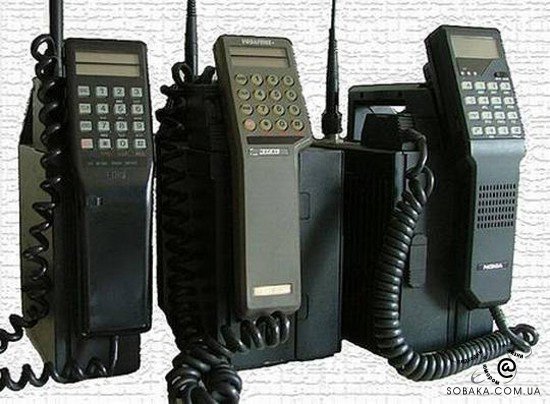
iphone 5g release date uk.
SuperCachetesMar 22, 12:48 PMGays freak out over the considered "normal" person rights...
Probably because they are "normal" persons. :rolleyes:
Agreed!
You fell into the "no emoticons" trap as well. LOL. There's sarcasm in the post you just agreed to.

The Apple iPhone 5 may also
Lord BlackadderMar 4, 08:07 PMDon't worry - by the time your Golf dies you can get a new one, and maybe by then they'll be selling the Golf GTD (http://www.insideline.com/volkswagen/golf/2010/2010-volkswagen-golf-gtd-first-drive.html) over here.
logandzwonApr 26, 02:15 PMAt the end of the day, I believe this is going to court.
I think the heart of the case will be hinged on proving if "app store" and/or "appstore" was in common use before apple applied for the TM. It does not matter in the least what "app" is short for, or what it means, or who used it for what. Only "appstore" or "app store."
If they were to concede it was unique, but argue that it is NOW generic, I'd think they'd lose, (because Amazon and Microsoft seem to be ones generalizing it.)
jessica.Nov 28, 09:11 AMI haven't started yet either...... just taking advantage of this weekend's sales. :D
Also, I just bought this office chair from Office Depot:
http://static.www.odcdn.com/pictures/us/od/sk/lg/301437_sk_lg.jpg
It's ACA approved, so my back also approves.
I found a 20% off coupon online, so yay.
Didn't you just buy a chair?
tablo13Sep 14, 08:22 PMI got the Belkin Grip Vue in the blue color at bestbuy. Really a toss up between the three colors IMO.
Looks pretty decent from the front, but the blue is a bit feminine.
BarnzeeApr 12, 08:17 PMwill final cut express get an update too?
hayeskApr 12, 10:10 PMiLife has done this for years and now Aperture is doing the same thing. Frankly, I prefer it to the old way.
You realize that you'll be on Aperture 5 before you spend more money than just buying 3 outright. The upgrade from 2 to 3 cost more than just buying 3 on the app store.
Why do you want to spend more money?
Posted by
sori
at
9:02 AM

Email This
BlogThis!
Share to Twitter
Share to Facebook
Share to Google Buzz
0
comments:
Post a Comment





















.jpg)


